

Filter Bag
Filter Bag – FAQ
Everything You Need to Know About Filter Bags
-
1. What is a filter bag?
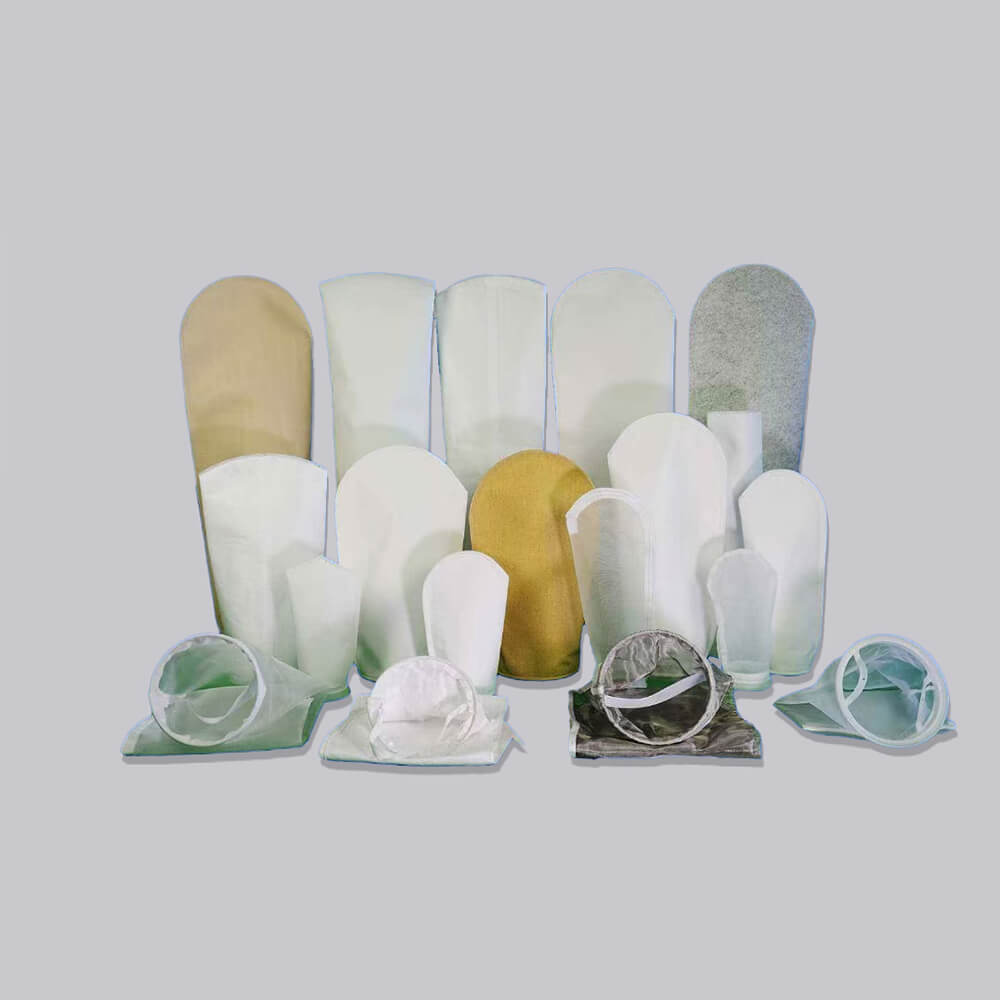
A filter bag is a depth filtration product made from high-quality felt materials such as PP, PE, or polyester, designed for efficient removal of particles from liquids in industrial applications.
-
2. What are the common applications for filter bags?
Filter bags are used in industrial water treatment, chemical processing, coatings, food and beverage production, and other liquid filtration systems.
-
3. What micron ratings are available?
Filter bags are available in a wide range of micron ratings, from coarse to fine filtration, typically from 1 µm to 200 µm.
-
4. What materials are used in filter bags?
Filter media include polypropylene (PP), polyethylene (PE), or polyester felt, chosen based on chemical compatibility and temperature requirements.
-
5. What is the maximum operating temperature?
PP: 90 °C PET: 160 °C Nylon: 160 °C
-
6. What is the maximum differential pressure?
PP: 0.2 MPa @ 21 °C / 0.1 MPa @ 80 °C PET: 0.2 MPa @ 21 °C / 0.1 MPa @ 80 °C Nylon: 0.2 MPa @ 21 °C / 0.1 MPa @ 80 °C
-
7. How are filter bags constructed to prevent leakage?
Strong welding seams or thermal fusion techniques ensure no fiber shedding and prevent side leakage during operation.
-
8. Can filter bags be reused or backwashed?
Standard filter bags are usually disposable; some special designs allow limited backwashing depending on the material and application.
-
9. What sizes and connection types are available?
Filter bags come in various standard diameters and lengths with multiple inlet/outlet configurations to fit industrial bag housings.
-
10. When should the filter bag be replaced?
Replace the bag when the pressure drop reaches the recommended limit or when filtration efficiency decreases due to particle accumulation.